I wish I knew the answer to this question. My list of things to do is reaching mammoth proportions. Where should I start?
1)
Go shopping for paint and wall cabinets for the bathroom remodel?The paint colors are picked out. Needs to be picked up. Cabinet shopping would require going 3 or more places. It's Friday and a Notre Dame home football weekend. The traffic is bad because there are way too many people in town. I'd better wait until next week.
9/8 went to Lowe's and Home Depot looking at cabinets. I'm underwhelmed by the selection.
2)
Look for a cardigan pattern for the yarn I bought yesterday?O-Wool Balance in denim blue, 1100 yards of worsted weight. I want a shorter cardi with 3/4 sleeves. Something fairly fitted with some detailing but not tons. No cables as they make me look fluffer than I am. I browsed patterns last night without any luck. Need to move onto something else. The right pattern will eventually turn up.
9/17 I turned up a cute hooded cardi on the Drops website. I think I even have enough yarn in my stash to make it!
3)
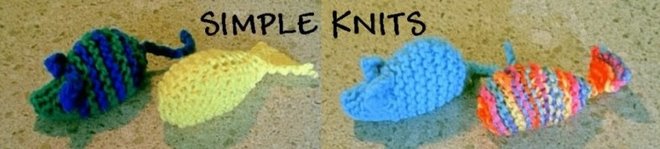
Knit more cat toys for Pet Refuge's toy jar?A friend told me today that it is totally empty. They're supposed to call me when it gets low but they never do. Sigh...major guilt trip. Kitties need toys! I'd like to recruit some knitters to help make toys. I've even offered to give them some yarn and the patterns. No takers.
9/17 I've been crocheting little spidee toys from
this cute pattern. I leave a long tail at the end, stuff with a little catnip, and sew them closed. I contacted the designer for permission to make and sell these for charitable purposes. She said it's ok.
4)
Work on the new shawl design?The needed yarn is here. I've charted some ideas for borders. Haven't decided what to do. Also need to knit some samples to see what I like best. Meanwhile, the unfinished shawl is sitting in my knitting basket staring at me every time I walk past it.
5)
Finish sorting out all the yarn and books and get rid of some of them?There is a 2 foot high pile of books in the office and more in my craft room. You all know how much time and how difficult it is to decide what to keep and what to get rid of. The carrot, so to speak, is putting the unwanted stuff up on Ravelry to trade for other books/patterns/yarn. I need to set a goal of going through a few every day. One toe at a time as my hubby says. (Referring to the joke about how do you eat an elephant. That's about the size of this project. LOL!)
9/6 sorted through another pile
9/7 sorted through another pile
9/8 sorted through some more
9/9 donated some of them to the library
9/17 tons listed on Ravelry for sale or trade
6)
Start a new pair of socks?Since I got the 5" Chiao Goo sock needles, sock knitting is fun. The temps are finally starting to cool down a bit. I'll need more socks to wear soon. Then I can throw out all the storebought socks. I should always have a sock on the needles to take with me.
9/6 started with garter square toe from
New Pathways book
7)
Do something with the two baskets of pears I picked from our tree?It broke a limb it's so heavy. I've found a recipe to make Pear Jam. Maybe this weekend. Otherwise, somebody had better come and get some of the ones still on the tree!
9/7 told the guy next door to take some of them (please!)
8)
Skein and wash some old acrylic yarn so it's in usable condition?This is acrylic yarn scraps from all over. A lot of it has been stored, is dusty, and doesn't smell the best. You wouldn't believe how much it blooms once washed. I can't wash it rolled up into balls. I can use this to make stuff for the bazaar.
9)
Put together the skeiner for my spinning wheel that I bought at Michigan Fiber Festival several weeks ago?Yep, this needs to be done. It would make skeining up all that acrylic yarn go much faster.
10)
Update the shawl list on my blog?I know, I know, this needs to be done. I have more shawls to add and all the links need to be checked. Anybody want to take on the project of checking all the links for bad ones? This list still gets lots of hits regardless of Ravelry.
11)
Update the small yardage list on my blog?Again, anybody want to take on the project of checking all the links for bad ones? I have more links to add. This list if very popular with handspinners looking for projects to use up small bits of handspun. Feel free to send me links/yardages for patterns for this list.
9/8 Added 66 more links
9/9 Checking links - done through 50s - fixed several - several are dead
9/10 Finished checking links - deleted bad ones - need to add about 14 to replace the dead ones
12)
Add more recipes to my cookbook and print out a new copy?This is an ongoing project started about 10 years ago. I'm overdue to update this with new recipes and changes to others. (My SIL and others have a copy of this and occasionally remind me they would please like an updated copy too. It makes a nice wedding, birthday, or Christmas present.
) I hate it when I try out a new recipe; love it; and can't find it again. If I type it into my cookbook on the computer and/or print it out for my printed cookbook, I can always find it. I mark my favorites with a star. I should blog about my cookbook and how it's set up someday.
13) Work on items for the Pet Refuge Holiday Bazaar?
I don't want to go crazy at the last minute doing this again. They're really feeling the financial pinch with fewer donations. Everyone's budget is taking a major hit because of the economy. I've started a box for the bazaar. They told me that the scarves sold well last year. I'm working on some from scraps and leftovers. Two are finished and one more on the needles. I'm thinking about making some kids slippers, hats, and other small items. (Of course, if I use free patterns on the web, I have to contact the designer and ask for permission to make these for charity.) Oh, and cat toys and maybe some cat beds too! I'm nuts! (Want to contribute a handmade item for Bazaar? Contact me on Ravelry for a mailing address. I'll be happy to post pictures and donors names if you do. Hmm, maybe a blog contest if you send something in an item for the bazaar? What do you think? Good idea of bad?)
9/5 working on a design for a crocheted kitty bed, one simple shawl on the needles
9/10 almost finished a simple shawl
14) Finish taking pictures and adding my stash to my Ravelry notebook?
I've been working on this one. Still 3 or 4 bins to go plus my recent purchases. I should take a break from buying yarn and use what I have. (Does trading on Ravelry count?)
15) Package up two Ravelry swaps to mail plus a couple of trades.
I'm working on this. They should all go to the Post Office on Monday.
9/7 Packed and ready to go!
9/8 Mailed!
16) Pick veggies in the garden.
If I don't do this today, it has to be done tomorrow. Squash are pretty much dead. Cucumbers are done. Beans are drying out for dry beans. Corn is done. Potatoes are dead though it's too hot to dig them yet. Winter squash is getting there. Tomatoes and peppers are still coming in. I'm not sure what of the cool weather stuff the deer didn't eat.
9/6 Picked the winter squash as the vines are dead. Got 10!
17) Freeze tomatoes.
Yep, more of these to get ready to go in the freezer. Have you checked the price of canned tomato products lately? Yikes! I heard that when they had the salmonella scare earlier in the year, that they destroyed a lot of the tomato plants in the US. That probably means fewer canned tomatoes, tomato sauce, paste, etc. and higher prices on what is available.
9/5 Gave some of these away. Have more to pick.
9/17 The rain split all the tomatoes. I don't know if there will be anymore.
This is getting depressing. I'd better stop tormenting myself. I'm not even including all the lovely household chores and other demands on my time.
 I call this the freedom hat because the pattern frees you to customize it any way you like.


